FREE Quote
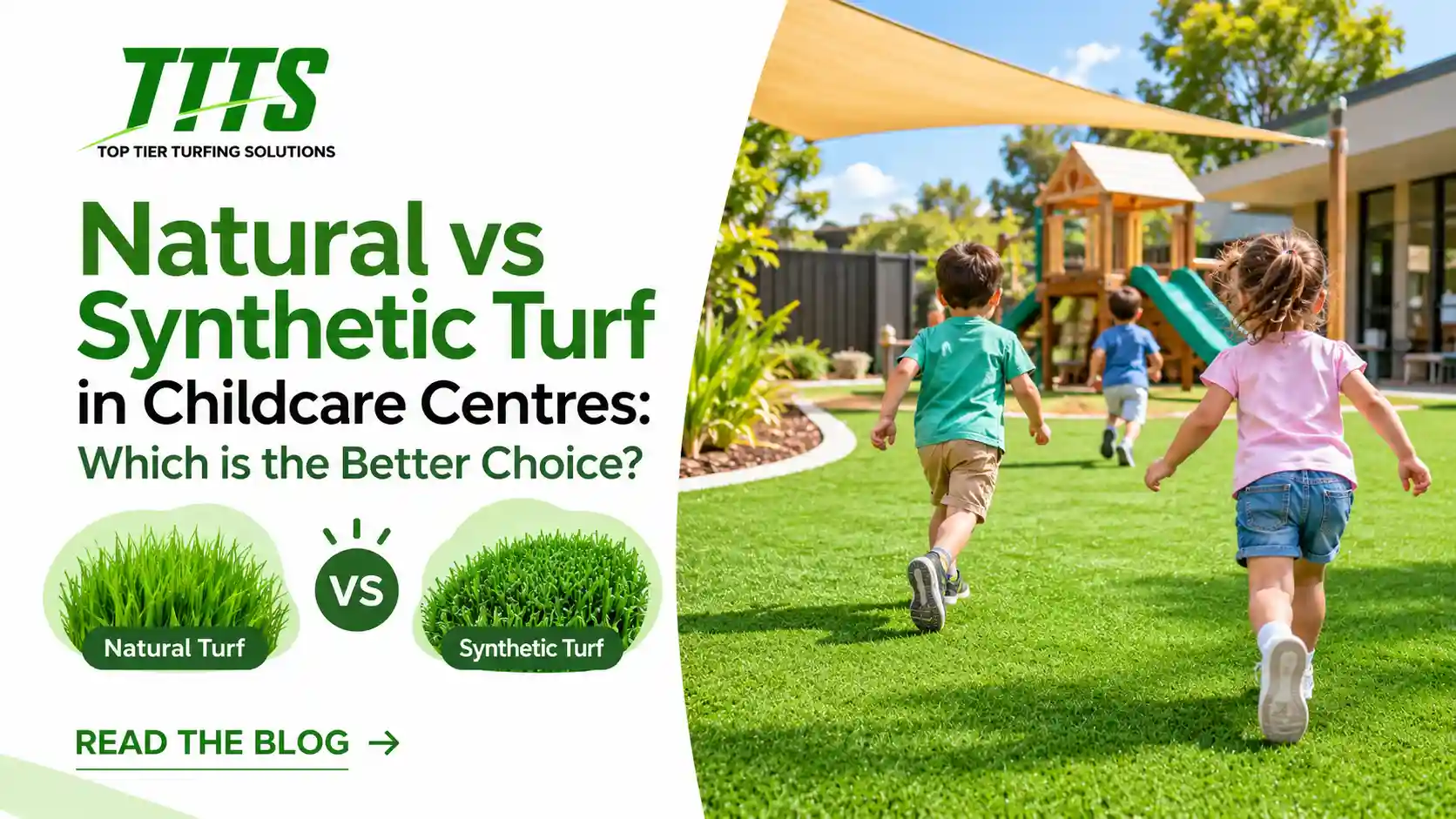
Natural vs synthetic turf in childcare centres: Cost & upkeep
Share This Post
Choosing the right surface for a childcare playground is a big decision. Children need a space where they can run, crawl, play and explore comfortably. At the same time, the surface needs to
be durable, easy to maintain and suitable for everyday use.
Natural grass connects children to nature, but it can struggle in busy playgrounds. Synthetic turf for childcare centres in Sydney provides a consistent green surface with less routine maintenance, but it still requires its own care and safety requirements.
So, which is the better choice for your centre?
This guide compares natural and synthetic grass for schools and childcare centres, covering installation costs, hygiene, safety, drainage and ongoing upkeep to help you make an informed decision.
What childcare centres need from a surface?
A childcare play area sees plenty of action every day. Children run, jump, fall and dig, so the surface needs to be practical and safe. Here are seven things to look for:
- Safety: A surface that provides good grip and helps reduce the risk of injuries from slips and falls.
- Comfort: Children need a surface that feels comfortable for everyday use, including sitting and crawling.
- Shock absorption: A softer landing under swings, slides and climbing frames.
- Drainage: Water should drain away quickly so the area dries sooner after rain.
- Durability: The surface should withstand frequent foot traffic without quickly becoming worn or uneven.
- Hygiene: Regular cleaning and maintenance should be practical for childcare staff.
- Wet weather use: A well-designed playground should remain usable in different weather conditions, wherever possible.
The right surface depends on the size of your playground, the amount of shade it receives, the age of the children and how the space will be used.
Natural turf vs synthetic turf: What’s the difference?
Natural turf is real grass that grows in soil. It creates a living outdoor environment and can help keep the ground cooler in sunny weather. However, it needs suitable growing conditions and regular care to stay healthy.
Synthetic turf, also called artificial grass, is a manufactured surface designed to look like natural grass. It doesn’t need mowing or watering to grow, and it can handle heavy use when the product and installation are suited to the site.
However, synthetic turf is not maintenance-free. It needs regular cleaning, brushing and inspections, and it can become hot in direct sunlight. Let’s compare the two options across the areas that matter most to childcare centres.
Natural vs synthetic turf: Side-by-side comparison
| Feature | Natural turf | Synthetic turf |
| Initial cost | Generally lower, depending on site preparation | Generally higher due to materials and installation |
| Ongoing cost | Mowing, watering, fertilising and repairs | Cleaning, brushing, inspections and occasional repairs |
| Hygiene | Mud and worn patches can create extra cleaning needs | Easier to keep mud-free, but still needs regular cleaning. |
| Safety | Surface condition changes with growth and wear | More consistent, but safety depends on the complete system |
| Wet-weather use | Can become muddy or damaged | Can drain quickly if the base and drainage are designed properly |
| Durability | Can wear in high-traffic areas | Often handles concentrated foot traffic well |
| Heat | Usually cooler in direct sunlight | Can become significantly hotter in direct sunlight |
| Lifespan | Can regenerate, but may need repairs or re-turfing | Has a finite service life and eventually needs replacement |
| Routine upkeep | Regular lawn care is needed | Regular cleaning, brushing and inspections are needed |
These are general comparisons. Actual costs, performance and lifespan depend on the product, site conditions, installation quality and maintenance routine.
What professional artificial turf offers?
Professional synthetic turf installation involves more than laying artificial grass over the ground. The turf, base and drainage system all affect how the finished surface performs.
Synthetic turf can be a practical choice for childcare centres, especially in areas where natural grass struggles to grow because of shade or heavy foot traffic. It also removes the need to mow or water the lawn to keep the grass growing.
Other benefits include:
- A green surface throughout the year
- Less mud in areas where natural grass repeatedly wears away
- A surface that can handle frequent use
- Design flexibility for smaller playgrounds and oddly shaped spaces
- Less regular lawn maintenance
However, synthetic turf is not maintenance-free. It needs regular cleaning, brushing and inspection. It can also get hot in direct sunlight, so shade is important in areas where young children sit, crawl or play.
Good installation is just as important as the turf itself. A properly prepared base and suitable drainage are essential for good performance.
Top Tier Turfing Solutions can help you choose the right turf, design and infill to prevent extreme heat. With a little planning, you can create an outdoor space that is easier to enjoy during the warmer months. Contact now.
Hygiene and upkeep routine
Keeping a childcare play area clean is important because young children often sit, crawl and play on the ground. Both natural and synthetic turf need regular care.
Natural grass requires mowing, watering when needed, removal of debris and repairs to worn patches. Staff should also check for animal droppings, rubbish and other contamination before children enter the play area.
Synthetic turf does not need mowing or watering to help grass grow. However, dirt, leaves, food scraps and other material can get trapped between its fibres.
help.
A simple maintenance routine for synthetic turf includes:
- Daily: Remove visible rubbish and debris. Check for spills, damage or contamination before children start playing.
- Regularly: Brush the turf according to the manufacturer’s instructions to help prevent fibres from flattening.
- As needed: Clean spills and contaminated areas promptly using products suitable for the turf and childcare environment.
- Periodically: Check the joins, edges and drainage points for damage or blockages.
- After heavy rain: Check for puddles and areas where water remains for too long.
Disinfectants should only be used when appropriate for the turf and the type of contamination. Follow the product instructions and keep children away until the surface is safe to use.
Synthetic turf can make some cleaning tasks easier, but it does not remove the need for regular hygiene checks.
Installation without disruption
Installing synthetic turf at a childcare centre needs careful planning to keep children away from work areas and minimise disruption to daily activities.
The installation time depends on playground size, ground conditions, drainage requirements and the type of turf system being installed.
The process generally involves checking the site, preparing the ground, installing the base and drainage, laying the turf and inspecting the finished surface. If possible, the work can be done in stages so children can still use other parts of the outdoor area. School holidays, planned closures or quieter periods may also be good times to schedule the installation.
Before work starts, discuss the timeline, site access, safety barriers and final handover with your installer. Children should only use the area once the installation is complete and all necessary safety checks have been carried out.
Synthetic turf can help reduce muddy patches and doesn’t need mowing. With proper installation and drainage, it can also provide a usable play area throughout the year.
However, natural grass has its own benefits. It helps cool the surrounding area and gives children a chance to play on living soil. Synthetic turf can get hot in direct sunlight and does not offer the same natural environment.
The decision should be based on your playground’s needs. Consider the space, drainage, amount of use and maintenance required before deciding which surface is right for your centre.
Why is synthetic grass commonly used in childcare?
Synthetic grass is often used in childcare centres because it provides a consistent surface in areas where natural grass may struggle to grow or handle heavy use.
In smaller playgrounds, children often play in the same spots every day. Natural grass can struggle to recover, especially where there is limited sunlight or poor drainage.
Synthetic turf can help reduce muddy patches and doesn’t need mowing. With proper installation and drainage, it can also provide a usable play area throughout the year.
However, natural grass has its own benefits. It helps cool the surrounding area and gives children a chance to play on living soil. Synthetic turf can get hot in direct sunlight and does not offer the same natural environment.
The decision should be based on your playground’s needs. Consider the space, drainage, amount of use and maintenance required before deciding which surface is right for your centre.
Drainage is particularly important in small childcare yards
Some childcare yards can have drainage problems because rainwater from roofs, paved areas and play equipment often flows into the same limited space.
When water collects in low spots, the playground can remain wet and become difficult to use. Natural grass may turn muddy, while poorly installed synthetic turf can also develop standing water.
Synthetic turf can work well over a properly designed base that allows water to drain away. However, the turf itself does not solve drainage problems. Ground preparation, surface levels and drainage outlets all need to be considered.
Before installation, check where rainwater flows from, where it collects and how it can drain away. Planning for these issues early can help keep the playground more usable after rain.
What safety standards should the best synthetic grass for childcare centres meet?
The safety requirements for a childcare playground depend on how the area is used and whether the surface is installed under or around play equipment.
In Australia, AS 4422 covers testing playground surfaces for their ability to absorb impact. AS/NZS 4486.1 guides playground equipment and surfacing. Check which requirements apply to your specific project.
If children can fall from equipment, ordinary synthetic grass should not automatically be considered sufficient protection. A suitable shock-absorbing underlay may be needed, along with evidence that the complete surface system meets the required safety standards for the equipment’s fall height.
Before choosing a product, ask the supplier for documents showing where it can be used, its impact performance where required, artificial grass installation requirements and maintenance instructions. Also check that the edges and joins can be secured properly and that the surface has suitable drainage.
Don’t rely on the product description alone. Make sure the installed surface meets the safety requirements that apply to your playground.
How do you maintain the best synthetic grass for childcare centres after installation?
Regular maintenance helps keep synthetic turf clean, safe to use and in good condition. Remove leaves, rubbish and other debris regularly. Clean spills promptly and use suitable cleaning products according to the manufacturer’s instructions. Brush the fibres as recommended, and inspect joins, edges and higher-use areas for wear or damage.
Check the drainage system also, especially after heavy rain. If water stays on the surface, check for blocked drainage points or problems with the base below the turf. If the turf is designed to help protect children from falls, follow the maintenance and inspection requirements for the complete playground system.
Keep a record of inspections and repairs so you can spot and fix problems early.
How long does synthetic grass last in childcare centres?
Synthetic turf does not last forever, and its lifespan depends on the product and how it is used.
Several factors affect its durability, including the quality of the turf, exposure to sunlight, daily foot traffic, installation quality and maintenance. Busy areas may wear sooner than less busy sections.
Look out for flattened fibres, damaged joins, loose edges, persistent drainage issues or damage to the shock pad beneath the turf. These signs may mean the surface needs professional assessment.
Ask your supplier for product-specific lifespan information and warranty details. Remember to include the expected replacement costs when comparing synthetic turf with natural grass.
Natural grass can grow back when conditions are right. However, heavily used or shady areas may need regular repairs or new grass.
Ready to install the best synthetic grass for childcare centres?
Choosing synthetic turf for a childcare centre means considering more than just appearance. You need to consider the children’s needs, playground layout, drainage and ongoing maintenance.
Top Tier Turfing can help you explore suitable turf options for your childcare playground and understand what your project requires.
Contact Top Tier Turfing Solutions today to discuss your needs and get a quote for synthetic turf supply and installation.
GET YOUR FREE QUOTE
Top Tier Turfing Solutions provides free on-site consultations across Sydney Metro, Penrith, the Blue Mountains and Wollongong. Call 1300 543 919 or request a callback at toptierturfingsolutions.com.au/fast-free-quote/.
 Will artificial grass make my front yard hot?
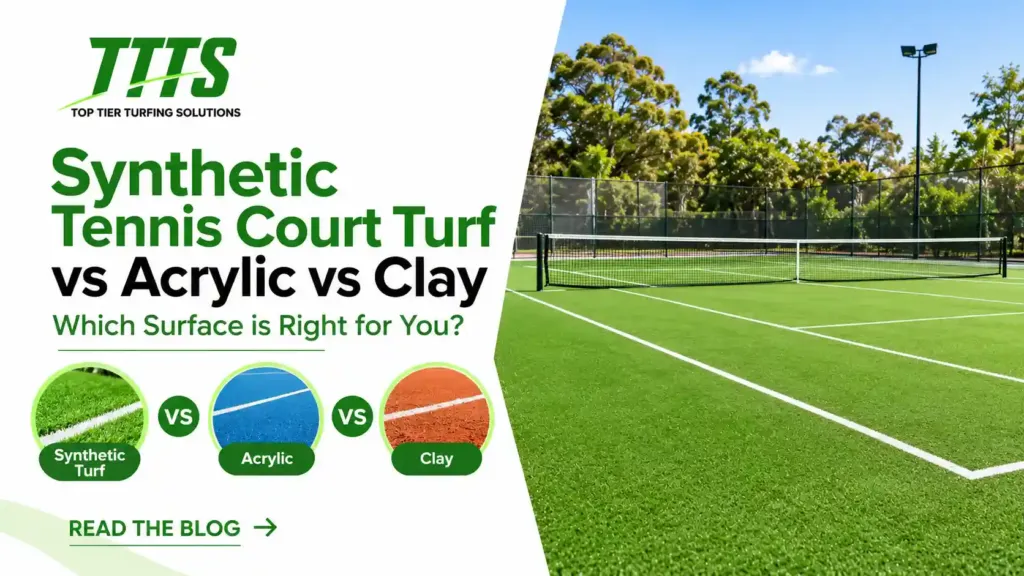 Synthetic tennis court turf vs acrylic vs clay: Which suits your backyard?
About the Author: Top Tier Turfing